Manufacturers
Technical capacity for repair cases that need hands-on U.S. support.
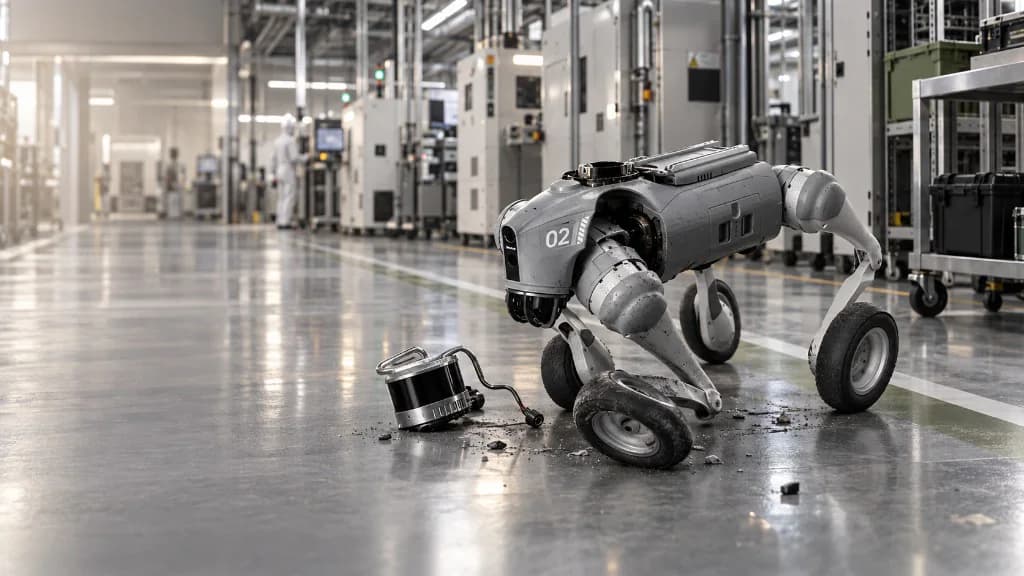
Whether you’re the manufacturer, distributor, business operating the robot, research organization, or the person who owns it — TMRC provides a technical path from something’s wrong to back to work.
We work across the hardware and software stack to diagnose problems, repair what failed, validate the system, and get modern robots moving again. That includes hands-on experience with Unitree platforms — across hardware and software — as independent service and repair.
Robotics service should not become a maze of manufacturer emails, distributor handoffs, parts guesses, and unanswered technical questions.
TMRC is building its service operation around a simpler idea:
Get the robot in front of the right technical people, understand what actually failed, and determine the right path forward.
Some cases are mechanical. Some are electrical. Some are networking, compute, sensing, calibration, firmware, configuration, or software.
Often, the real problem sits somewhere between them.
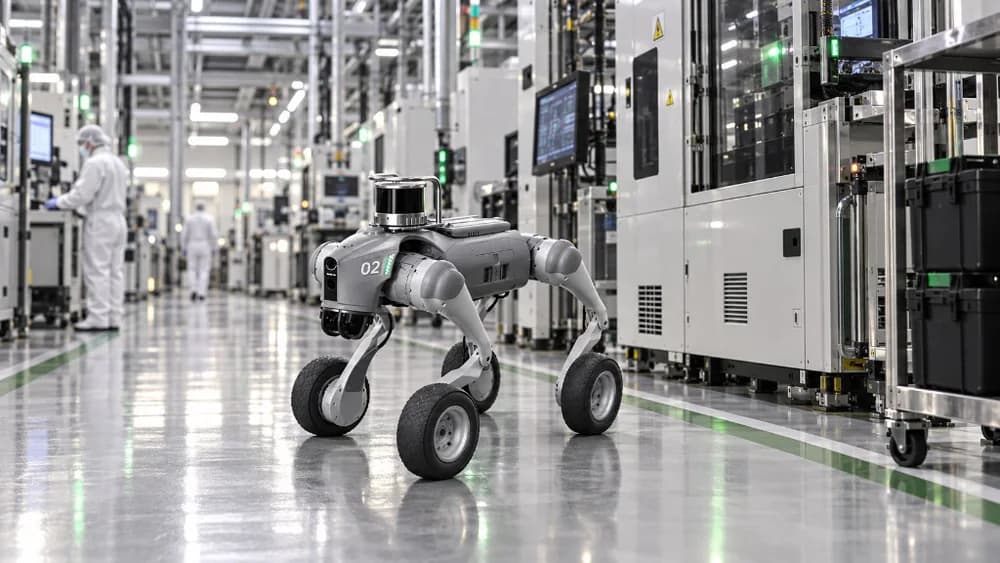
Technical capacity for repair cases that need hands-on U.S. support.
A technical resource when a repair goes beyond normal sales or support.
A place to start when the machine in front of you simply isn’t working.
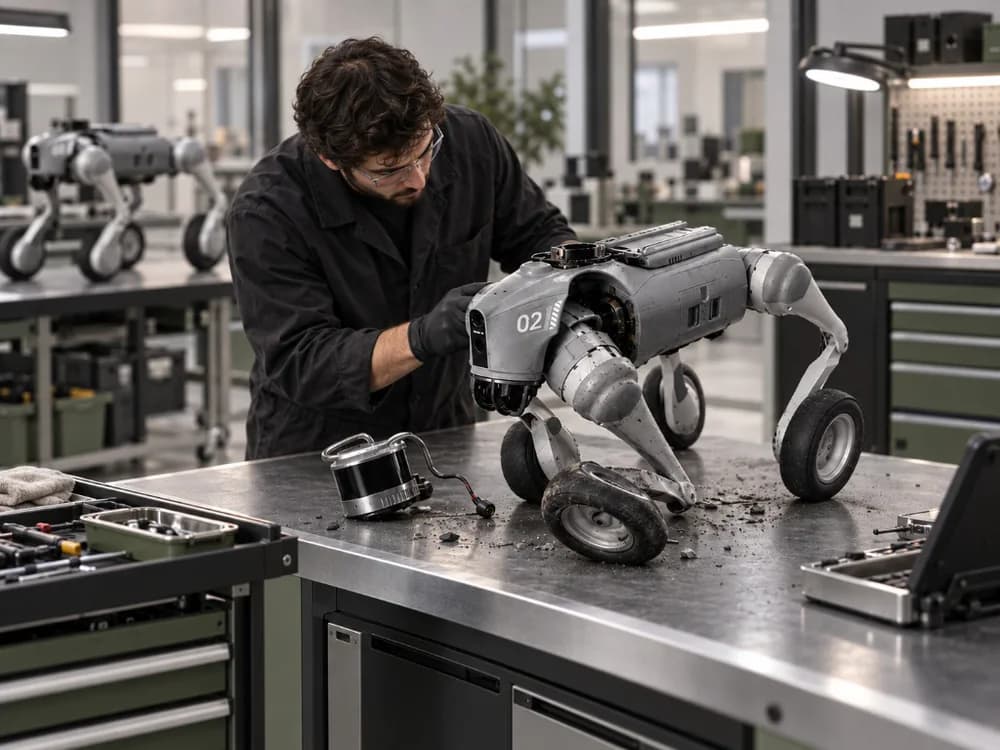
Modern robots are not simply mechanical machines.
A robot that won’t walk may have a mechanical problem — or a calibration issue. A sensor failure may actually be networking. A compute problem may originate in hardware, configuration, firmware, or software.
TMRC’s technicians work across the complete robotic system.
That means we can follow the problem across technical boundaries instead of stopping when it leaves one technician’s specialty.
The goal isn’t to swap parts until the robot works.
The goal is to understand what failed.
A repair isn’t complete when the last screw goes back in.
Once the underlying problem is understood, TMRC works through the appropriate repair, replacement, configuration, calibration, or recovery process — and then tests the robot as a complete system.
The goal is simple:
Don’t just return a robot that turns on.
Return a robot ready to go back to work.
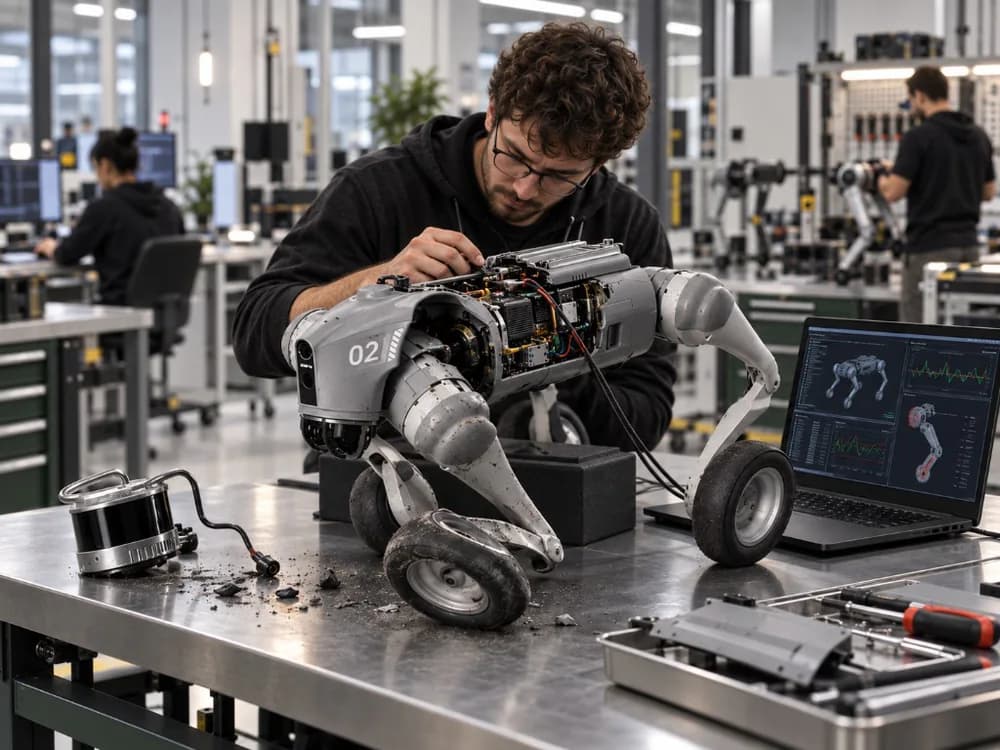
Tell us what you have, what happened, and where the robot is now.
You don’t need to diagnose it first.
That’s our job.
As robots move from demonstrations into daily operations, service becomes part of the system.
TMRC is building toward a service model capable of supporting individual robots, enterprise fleets, distributors, and manufacturers with the technical infrastructure required to keep deployed hardware operating.
That means more than repair labor.
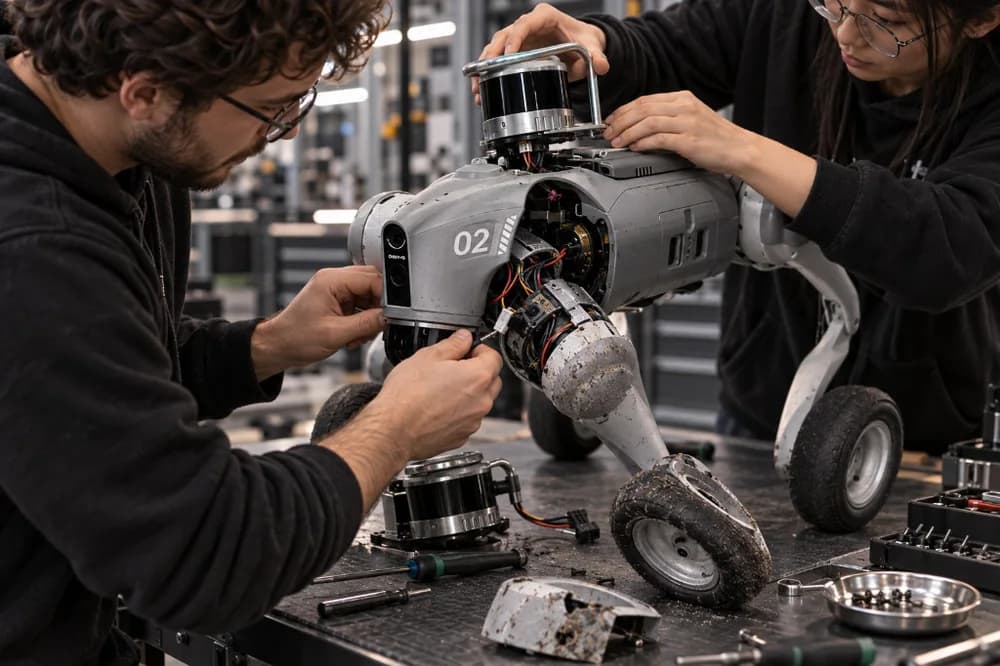
A growing robotics industry needs an equally capable service layer. We’re here to help build it.
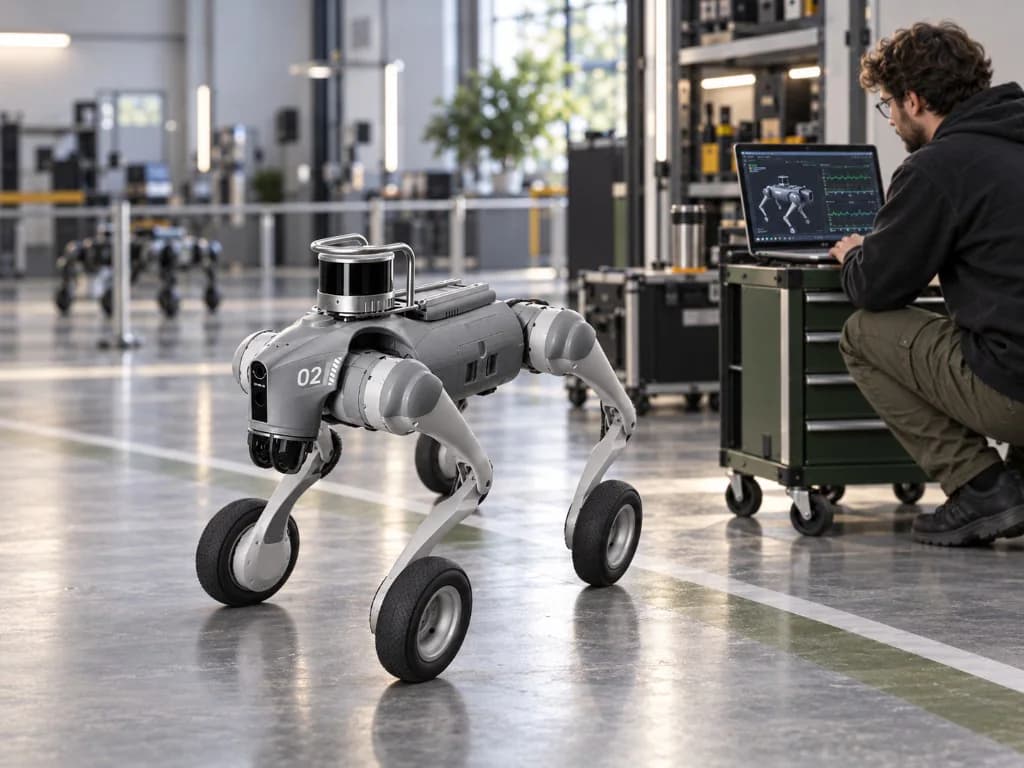
Robots are becoming part of the real world.
When they stop working, they need people who understand how to put them back into it.
Unitree® and related product names are trademarks of their respective owners. The McKinney Robotics Company is an independent robotics company and is not currently an authorized Unitree service center. References to Unitree platforms describe our team’s technical experience and the platforms we support.